
Why graphic design?
Graphic design is born at the intersection of innovation, lateral thinking, which at its core is problem-solving, and creativity, to focus on communicating messages and ideas in an impactful manner. Considering that the taste for creativity and its perception is ever-changing, thoughts and ideas around how to work around the aesthetics of graphic design also change every now and then. Every year, we try on newer styles of fashionable items; we step forward, innovate, and through nostalgia we look back on older styles. Every decade, more so; and it’s the same with graphic design. All of which defines trends over periods of time. But, of course, there’s an underlying necessity to it. – To cater to customer satisfaction in terms of design, with focus on age groups, classes and a lot more.
What are the changes a business and a good graphic designer should be able to perceive?
What else is popular today?
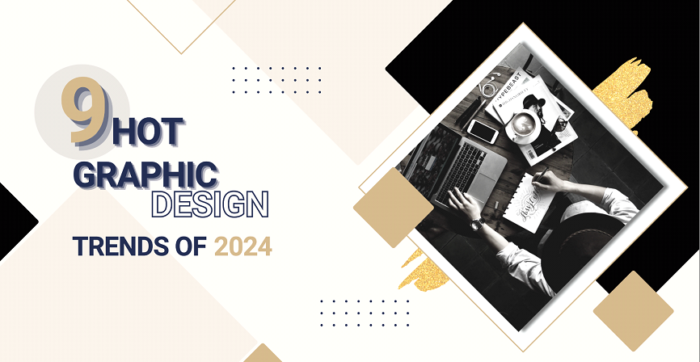
To note down exactly what have we moved towards in 2024, here are nine hot graphic design trends of this year:
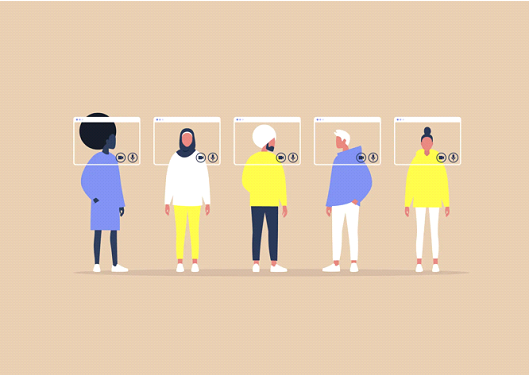
Diversity and inclusivity
Diversity and inclusivity is rather nice, since we’re making efforts to be less alienating and more accessible. Designers have gradually turned towards visuals that celebrate differences in more than just perspectives and lifestyles – visuals celebrating identities. It, of course, also helps reach wider audiences, implying “good is profitable”.
Natural materials
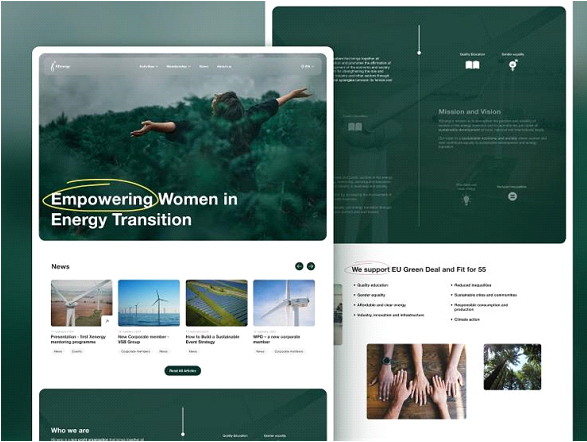
Natural materials, or more like the texture of it. Supporting greener trends on the ground and chic earthy aesthetics in terms of design.
Maximalism and bold minimalism
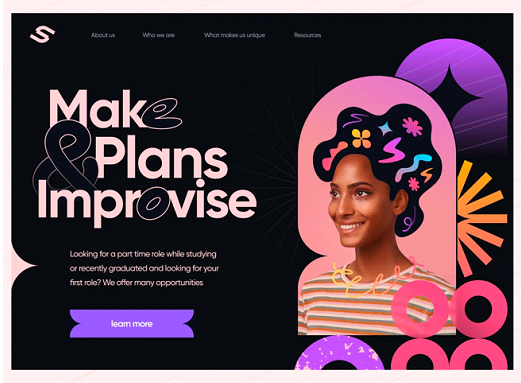
Which is to say both “more is more” and less but easier to notice (than the less popular thin fonts minimalism). Because when maximalism is shouting out of the page and is loud and clear in ways, bold minimalism has always implied the mix of clean lines and ample white space helps “communicate efficiently” – which is the goal.
Accessibility
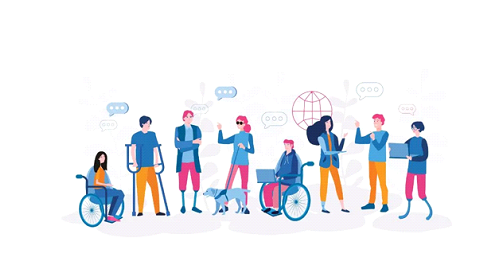
Accessibility is about focussing on people who might not be fully capable and may not be able to perform certain tasks without help. In graphic designing, going for an accessible design means being inclusive towards visually-impaired people by meeting accessibility guidelines through the use of certain colour combinations.
70s nostalgia and vintage typography
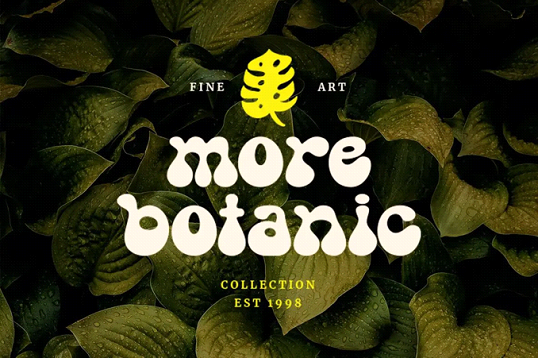
We keep going back to such designs because we yearn for our roots in many undefinable ways. Nostalgia, literally a “longing for home or something past”, has driven several forms of art, including this one. A focus on simplicity through handmade illustrations and doodles, retro colour patterns, including faded designs and groovy fonts, among other things.
Vibrant colour palettes
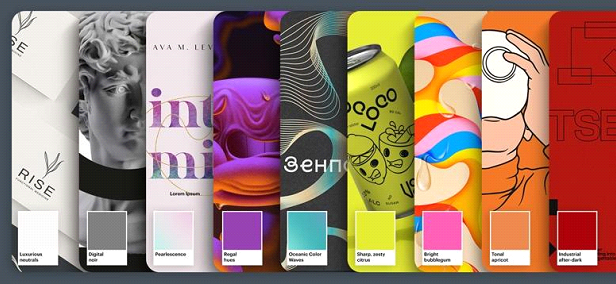
Not every customer wants “faded designs”. Some prefer vibrance, say neon, say high saturation and high contrast – something that makes your design stand out from the rest. Eye-catching for the right sort of audience.
Custom brand artwork,
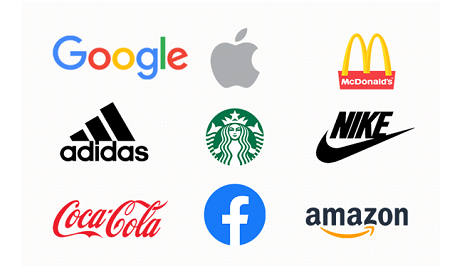
Custom brand artworks are becoming more popular day after day since we’ve increasingly large number of startups around us looking for ways to make a name in the market. An artwork essentially helps create unique and distinct brand identity through a convenient, easy to notice and memorable design. These often use vibrant colour palettes or bold minimalist designs.
Motion design with interactive elements
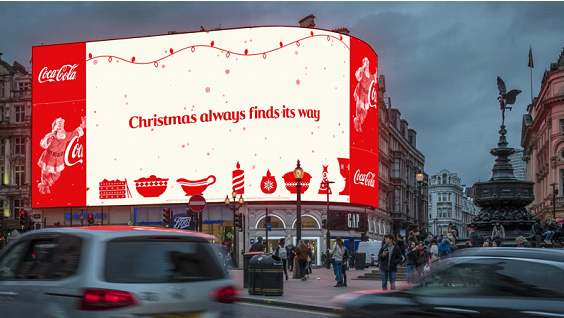
Kids are particularly fond of this. However, they are not alone though. Animated graphics pack more information in limited space, hence the billboards want these, since animation has been universally known to drive engagement. Remember Coca Cola or Pepsi billboards?
Bubble text and 3D design,
These give the elements a more life-like feel. Bubble text, however, is not new – although the embedded 3D effects now give it an upgrade, enhancing both user experience and engagement more than ever. Think of the Piccadilly Circus, London billboards of H&M and Amazon Prime’s “The Wheel of Time”.
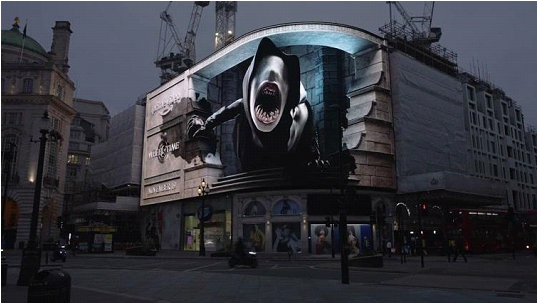
All of the aforementioned designs have successfully enticed their target audience at one time or another. It could only be credited to someone who understands the moving or changing graphic design trends over a period of time. While it may be time-taking, it is an important part of the business, and serves various purposes, including customer satisfaction.
What serves as an important factor for customer satisfaction?
Perception is a critical need. To work towards customer satisfaction, a business must be able to perceive what the customer wants at any given time. As it is, tastes for almost all things change year after year. We don’t make the same kind of films now; nor do the concert-goers today prefer the same songs that people in the 90s or even at the turn of the century did. This might be a gross generalisation, considering there are always some old-school people, but in truth, they’re a separate audience in most scenarios.
The tastes and, so, scenarios change for all age groups too: kids’ cartoons from last year hugely differ from that from the 60s or the 70s; and so do the aesthetics that people prefer to look at on a website of choice, etc. For example, extremely thin fonts were all the rage not long ago but owing to the difficulty of reading, they don’t define ‘minimalism’ anymore. Only in 2023, on the other hand, the sci-fi aesthetic – trippy and futuristic design – was quite popular, but not anymore. There are numerous other examples of changing landscapes every so often, some of which is driven by nostalgia and some by the idea of innovation, or to make something not conceived yet.
Isn’t there more, or does AI have nothing to do with this?
Artificial intelligence (AI) has captured the market in an unexpected manner and taken up roles both imagined and unimaginable. Like with everything else, AI is much involved here too. While an idea is always a creator’s own – although AI did generate some novel ideas earlier which now seem to have become repetitively positioned – AI does help with enhancing efficiency, creativity, and accessibility for designers.
Among other things, AI allows working within a given time and with little hassle. Accessibility has been an important goal for business ventures for increased engagement, but it can also be time-taking to manage. AI seems to have proved itself in the area, considering that the performed accessibility checks are faster and more reliable than any manual testing setup.
Of course, there are other advantages as well. It is hoped that AI will transform graphic design in many ways, such as by improving accessibility, increasing creativity, optimising workflows, and allowing increased personalisation.
Also, mascots are making a comeback!